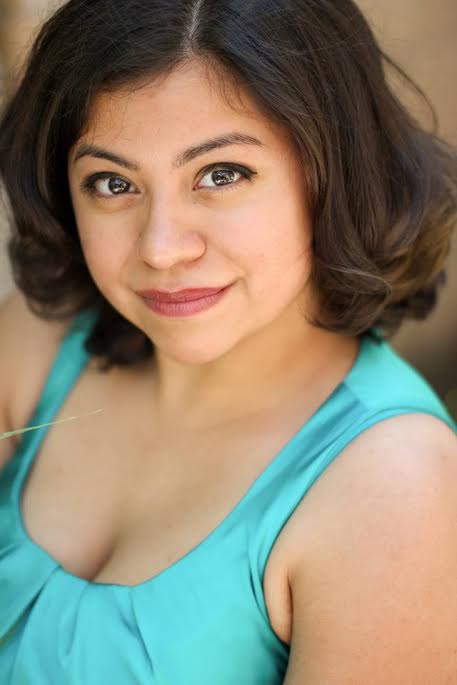
Interview with Maia Villa

unnamed-1

Maia Villa discusses her new play EN EL MEDIO. This is the last in a series of four posts featuring the playwrights of the Bennington 365 Women a Year Festival.

Q: How did you hear about 365 Women a Year? 

A: My friend and peer Natalie Osborne!

Q: Why did you choose Gloria Anzaldúa as your historic woman? What drew you to her? 

A: As a Chicana theatre artist, I felt a responsibility to represent the Chicana identity, which can be seen as both a curse and a blessing to any artist of color (any artist belonging to any underrepresented group). The decision was not forced,  however, because Gloria deserves so much recognition. Gloria can be described as chicana, tejana, queer, a feminist, a “dyke-feminist” (as said by her), a poet, a writer, a scholar, a cultural theorist, an activist…the list goes on.
Gloria also means a lot to me, personally. Discovering her and her work two years ago in my college’s library (Shout out to Crossett!) relieved me of the stress I used to have when grappling with the complexity of my own identities. Growing up, the identity of “American” and “Mexican” were in constant conflict with one another. She’s the one whose words taught me…haha, essentially, POR QUE NO LOS DOS?! To be Chicano/a means to simultaneously celebrate your American identity with your Mexican heritage…YOU CAN NOT SPEAK SPANISH, AND STILL BE CHICANO/A. Her permission informed my work at Bennington and beyond so much, and continues to today. She’s my identity savior.

Q: Can you walk me through the process of adapting a persons life for the stage? What were some of the challenges? What parts really clicked together? 

A: There were definitely a lot of challenges for me that made this process a long one. I got stuck a lot worrying about whether or not I would be giving Gloria’s life and work the representation it deserves. An example of something I was worried about: Gloria writes in six variations of Spanglish (Tex-Mex Spanish, Chicano English, etc.); so I was sad that, because I am monolingual, I would not be able to write a play that involves what she did with language in her own work.

I had to alleviate the pressure I was putting on myself before the *click* could emerge. I made the decision that, because Gloria’s work is all about inspiring others to break their normative perceptions of identity, I would allow my own grappling with my identity to seep into the work. I would allow me to seep into the work. Once I did that, two characters emerged out of a blend of both Gloria and Maia, and they came out of a time when I was deeply entrapped in my own Maia version of the BORDERLANDS! A personal event (relating to race) made me angry (an emotion I don’t actually feel easily for too long), so I contained the feeling, put myself in an empty theatre space, did a lot of physical actor work, and that was the moment all the *clicks* came together.  I intellectualize race so often with my peers during class, club meetings, etc. that I rarely allow the time to remember that inside me there’s still a little girl who hasn’t intellectualize anything — who simply feels…torn into two pieces, confused about where “home” is supposed to be. Gloria wrote about the Borderlands to put into words that feeling of being Chicano/a — of being neither and both at the same time.

Q: I’m captivated by the way you use language in the play, can you talk to me more about that? 

A: Ha ha, as I wrote earlier, I really just let it emerge. I could probably talk more about the how or why after I’ve done more readings and more revisions of the play. For now, I have ideas about how or why I did this or that, but nothing solidified yet — and I like it that way. All I’ll say is that I let ideas of Gloria’s flow through ideas of Maia and hoped they would come together to mean something for someone else.

Q: Are there any playwrights that inspired you while you were working on this piece, or who inspire you in general? 

A: I don’t consider myself a poet nor even a student of poetry, but I focused on being inspired by Gloria’s words — and also the work of another Chicana writer, Cherrie Moraga. Many, many playwrights inspire me, especially my peers at Bennington.

Q: What has been your favorite aspect of working with 365 Women a Year? 

A: Simply how we were able to create a community of artists nationwide via social media. YUM. I study community development on a smaller scale through my work at Bennington and my work at various non-profit theaters; but haven’t yet explored how community is developed on a bigger scale just yet. It’s exciting to me how we all have joined together without even knowing many of each other’s faces.

Q: Do you have any advice for the playwrights joining 365 Women a Year in 2015? 

A: Don’t feel the pressure to represent someone’s entire life in one piece! Duh. It’s totally okay to take a juicy slice out of their life, or, if you’re like me, write a bunch of slices that represent what they have meant to you.

A recording of the world premier of  EN EL MEDIO at the Bennington College Student Center on March 27th is available here and on the public archive on the HowlRound site.

To see the other post in this series, click on one of the links below:
Catherine Weingarten

Shellen Lubin

Natalie Osborne

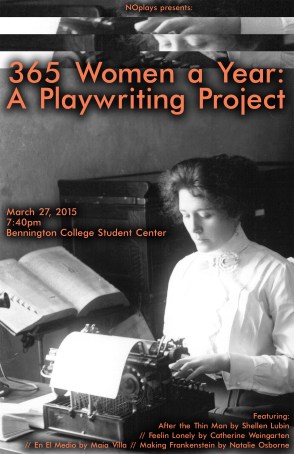
365 Women a Year THIS FRIDAY!

365 Women a Year Poster small Update

This is the week! On March 27th, World Theater Day, we will celebrate the lives of historical women who changed our world, with play-readings from Madrid to New York to Bennington, Vermont.

We hope you will join us at 7:40pm in the Bennington College Student Center, in person or through the livestream on HowlRound TV!

Join our Facebook event!

Announcing the Cast of 365 Women a Year at Bennington!

NOplays is very excited to announce the cast for the 365 Women a Year Festival at Bennington College!

Making Frankenstein, written and directed by Natalie Osborne

Mary Shelley – Sarah Jack

Percy Shelley/Frankenstein – Marshall McGraw

Clare Shelley – Maia Villa

Stage Directions – Celene Barrera

En El Medio, written and directed by Maia Villa

Ria – Ada Guzman

Glo – Joana Santos

Stage Directions – Jessie Berliner

Feelin’ Lonely, written by Catherine Weingarten, directed by Natalie Osborne

Elizabeth – Lauren Cagnetta

John – Jade Pope

Stage Directions – Molly Forgaard

After the Thin Man, written by Shellen Lubin, directed by Maia Villa

Stella Adler – Singer Moora

Sylvia Gassel – Victoria Nation

Stage Directions – Molly Kirschner

Unfortunately, the play White Cotton is no longer a part of the festival, but we are very excited about our four plays and our fantastic cast! The performance will take place on March 27th at 7:40pm in the Bennington College Student Center. The performance will also be livestreamed on HowlRoundTV, starting at 8pm EST.

Interview with Catherine Weingarten

200338_1003255487606_3872_n

Catherine Weingarten discusses her new play FEELIN LONELY. This is the first in a series of four posts featuring the playwrights of the Bennington 365 Women a Year Festival.

Interviewer: Natalie Osborne

Q: How did you hear about 365 Women a Year? 

A: Last year I got in touch with Jesslynn Chamblee because we both were selected for a few of the same short play festivals. She was super fun to talk to and we ended up commiserating about grad school, being a female playwright and submission opportunities. Then she told me about her awesome project “365 Women” and I decided to join the Facebook group and give it a go!

Q: Why did you choose Elizabeth Bishop as your historical woman? What drew you to her?

A: At Bennington College I took a poetry class my freshman year about intense friendships between poets; and we studied Elizabeth Bishop and Robert Lowell. Ever since then she has stuck in my head. I love how observant, crisp and surprisingly funny her poetry is. Also she was a lesbian and so edgy and strong! Can I be her now!

Q: Can you walk me through the process of adapting a persons life for the stage? What were some of the challenges? What parts really clicked together? 

A: I knew that I didn’t want to be too literal when it came to adaptation. I wanted to take details from her life that did it for me; and then give myself the freedom to imagine my own version of how things could have played out. The challenge is the pressure of being historically accurate/depicting things as they probably occurred; but to tell you the truth that sounds supa boring, so I tried to avoid that and let myself have weird Elizabeth Bishop odd fantasy sequences.

I had a lot of fun creating Elizabeth Bishop as a character because she is so spunky and smart and repressed; what cool qualities for a woman!

Q: The play takes place during Bishop’s time at Vassar College, what inspired you to focus on this part of her life? 

A: Ever since I have been writing plays I have been obsessed with stories about younger people trying to figure out adulthood. The idea of writing about Elizabeth Bishop still trying to figure out her voice and her swag, really did it for me. Also I was a playwriting apprentice at Vassar’s Summer Theater in 2012, so I had a clear image in my mind about the buildings she probably studied in.

Q: What are you most excited about for the reading on the 27th? What are you most nervous about?

A: I am such a Bennington chick, so I am thrilled whenever my alma mater decides to put up my work! I am nervous that people will throw hipster vegan drinks at the stage and cry and say that my play is not historically accurate(which it probs is not).

Q: Are there any playwrights that inspired you while you were working on this piece, or who inspire you in general? 

A: Things that inspire me: coconut cake, Sherry Kramer, Sam Hunter, pink cupcakes.

Q: What has been your favorite aspect of working with 365 Women a Year? 

A: I am a big proponent of female playwrights and minority playwrights having more of a voice on the American stage; so this project is right up my alley. I love feeling like I’m apart of this sketchy secret Facebook group mission that involves a ton of female playwrights.

Q: Do you have any advice for the playwrights joining 365 Women a Year in 2015? 

Don’t worry too much about getting every detail of the person’s life correct. Just try to take what’s interesting to you and then give yourself room to be crae and have fun!

Catherine Weingarten is a recent Bennington College graduate in Vermont and an incoming playwriting MFA candidate at Ohio University. Her short works have been done at such theaters as Ugly Rhino Productions, Fresh Ground Pepper, and Nylon Fusion Collective. Her full length plays include: Are you ready to get PAMPERED!?, Recycling Sexy, A Roller Rink Temptation and Pineapple Upside Down Cake: a virgin play. She is the Playwright in Residence for “Realize your Beauty inc” which promotes positive body image for kids by way of theater arts. She was previously a member of Abingdon Theater’s playwrights group and New Perspective “women’s work” short play lab 2014. You can see her play FEELIN LONELY at the Bennington College Student Center on March 27th, at 7:40pm. Or watch the online stream on HowlRound TV


See You Later Athena

As rehearsals for HARM’S WAY are gearing up in Denver, I’m getting cozy in Vermont, preparing for NOplays’ first production in collaboration with 365 Women a Year. This March is going to be an amazing month for women in theatre; from the 2015 Athena Project Festival in Colorado, to 365 Women a Year in Vermont and around the world.

No matter where you are, make sure you see some of the incredible new works by female artists!

Thank you Athena Project for an amazing seven weeks, and here’s to future collaboration between us!

DSCN0633


DSCN0807

DSCN0776

10940490_760009154085359_4982717416644987659_n


DSCN0628


DSCN0747

The Athena Project Festival

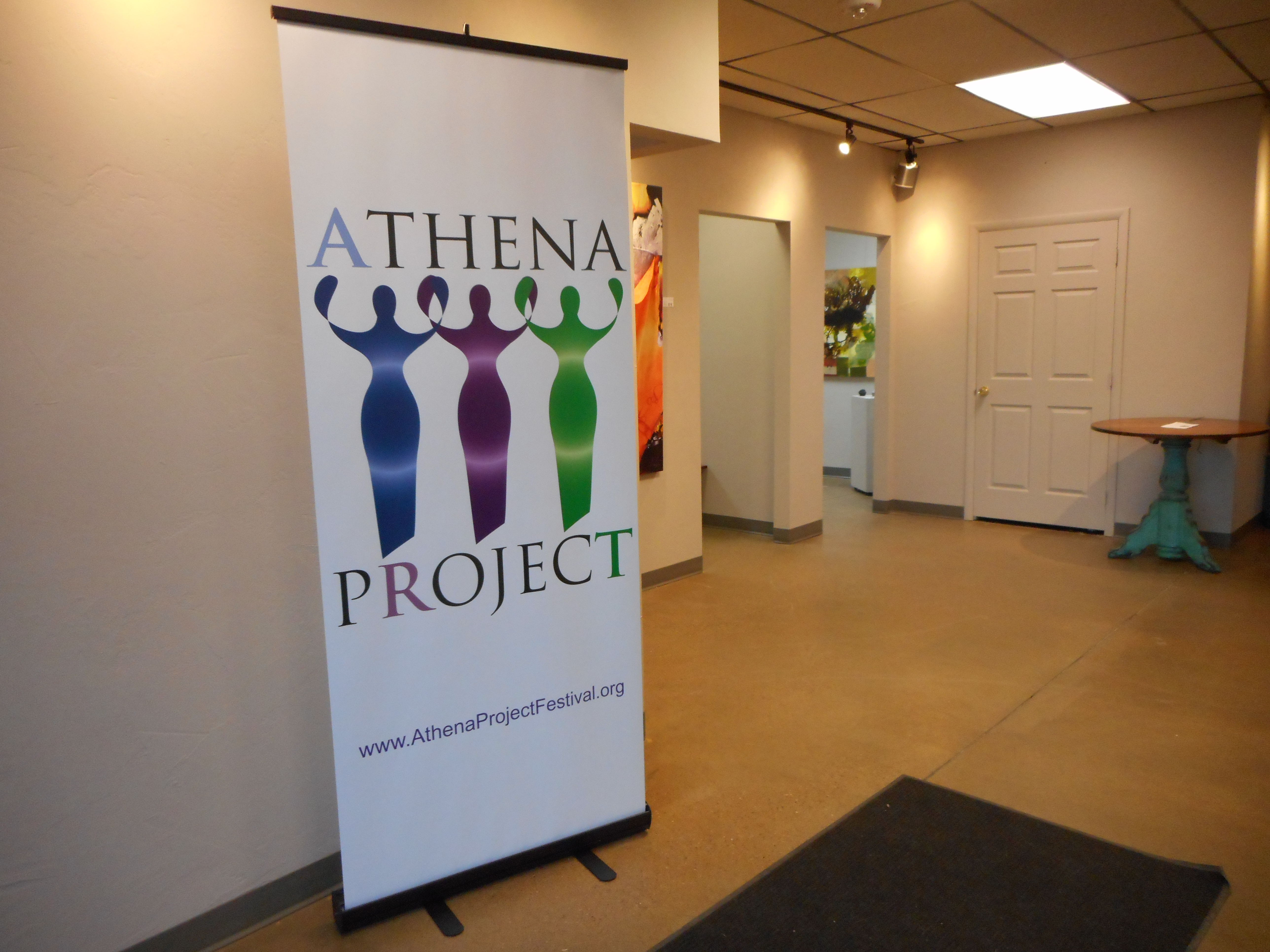
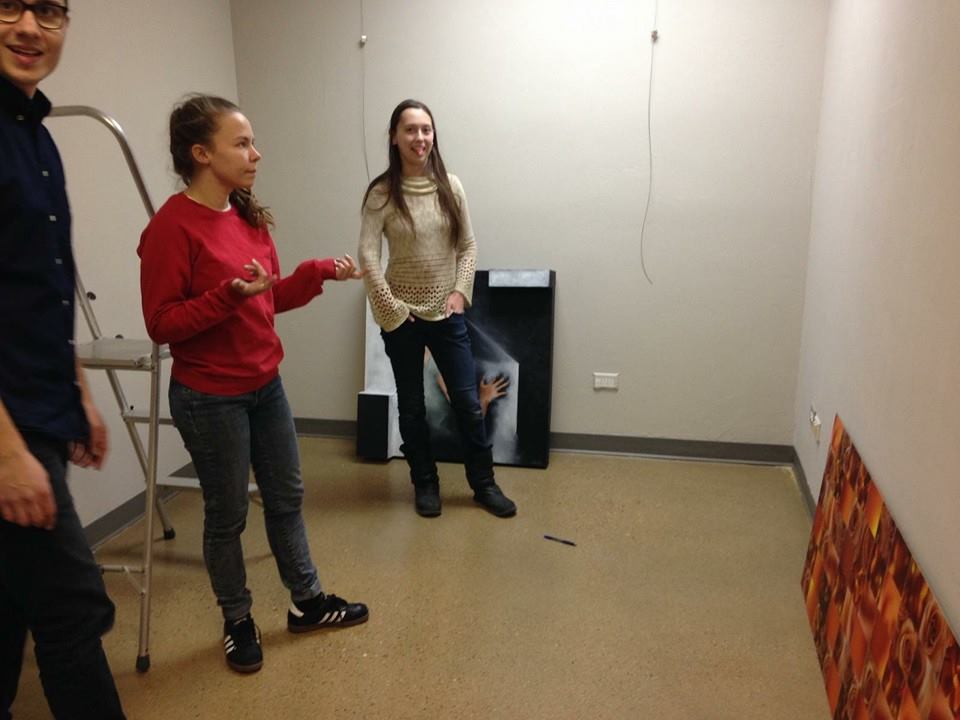
Where in the world is Natalie Osborne? She’s in the Mile High City (Denver, Colorado) working with the fantastic group of ladies at the Athena Project! If you don’t know about the Athena Project, YOU SHOULD! Their mission is to embrace, encourage, and empower female artist across the disciplines. Including; dance, music, visual arts, and of course, theatre. I’ve had an amazing few weeks working with The Athena Project, helping them to prepare for their third annual arts festival in March, and I can’t believe my time here is already coming to an end! Unfortunately, I won’t be able to see the festival, but if any of you are around Denver, attend one of their many amazing events. And for you female playwrights, here’s a great place to submit to!

Read more about the Athena Project here!

And check out their website:

https://www.google.com/webhp?sourceid=chrome-instant&ion=1&espv=2&ie=UTF-8#q=athena%20project%20festival

NOplays FIRST PRODUCTION

NOplays is pleased to announce that we will be organizing our first production in collaboration with 365 Women a Year!

The event will take place on March 27th at 7:40pm in the Bennington College Student Center. The evening will feature staged-readings of five original one acts written by Bennington College students and alumni. The evening will also be live-streamed on HowlRound and Nitenews, as part of the 365 Women a Year 24 Hour Broadcast.

We are very pleased to announce the plays that have been selected for the event.

MAKING FRANKENSTEIN by Natalie Osborne

EN EL MEDIO by Maia Villa

FEELIN’ LONELY by Catherine Weingarten

AFTER THE THIN MAN by Shellen Lubin

WHITE COTTON by Shellen Lubin

For more information on the readings, please email natalie.noplays@gmail.com. For more information about 365 Women a Year, please visit the website.

Stay tuned for more information on the playwrights and the historical women featured in their plays, and for the link to the live-stream.

Equal Pay for Women in the Arts

Dear friends, please sign and share!

“Legislation should be enacted whereby any arts organization or institution that is receiving city, state or federal funding should be mandated to allocate an equitable portion of that funding to women artists, thereby ensuring that they receive grants and/or employment opportunities that are traditionally denied them. For example, in the American Theatre women receive less than 20% of production opportunities nationwide. With this new legislation, women theatre artists across the board—playwrights, directors, designers, etc.—would have a fair shot at working and/or creating in their chosen field. Commercial producers will continue to produce whomever they choose—man or woman. But, when government monies are involved there should be a mandate for parity in the disbursement of those dollars.”

SIGN HERE!